

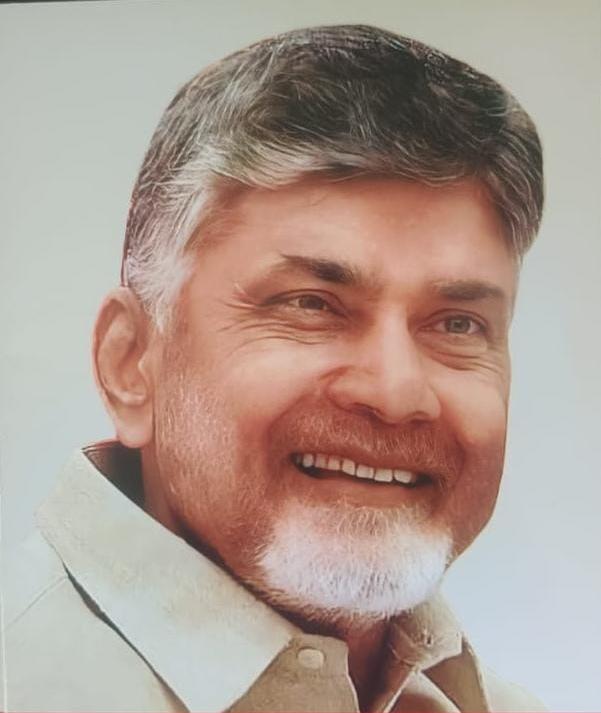
Sri Nara Chandrababu Naidu,
Chief Minister of Andhrapradesh
From grassroots resilience to futuristic leadership—an inspiring journey of transformation, innovation, and inclusive growth
Written by : Dr Ramnath Velamati, Executive Vice Chairman, GFST
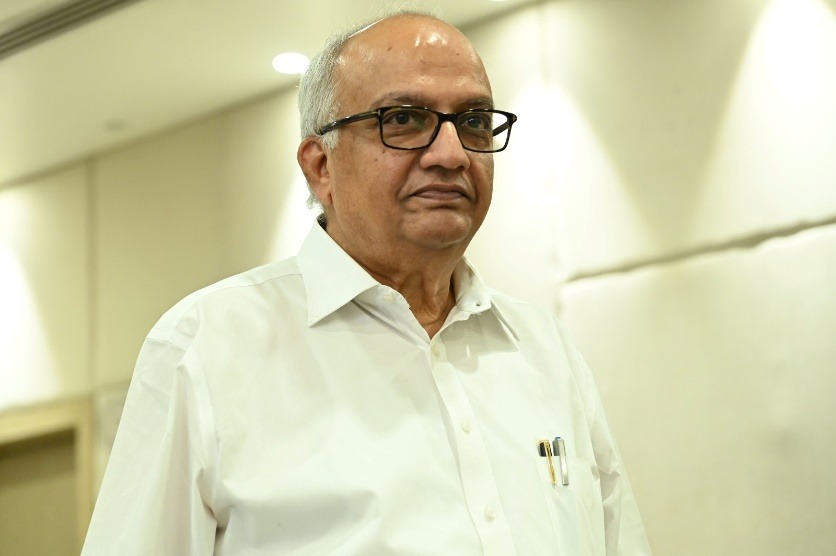
Dr. Ramnath Velamati
In the ever-evolving story of India’s democracy, few leaders have managed to leave an imprint as enduring and multifaceted as Nara Chandrababu Naidu. More than a seasoned administrator or a political strategist, he represents a rare blend of vision, discipline, and empathy—qualities that have allowed him to transform governance into a powerful vehicle for societal progress.
His journey is not merely about rising through political ranks; it is about reshaping the very idea of leadership in a developing nation. From humble beginnings in rural India to becoming a key architect of progressive governance, Naidu’s life offers a compelling narrative of ambition guided by purpose.
Roots That Shaped a Reformist Mindset
Every transformative leader is shaped by their early environment, and Naidu is no exception. Growing up in a modest agrarian family, he witnessed firsthand the struggles of rural communities—uncertain incomes, lack of access to quality education, and limited infrastructure. These formative experiences cultivated in him a deep sense of empathy and a clear understanding of systemic challenges.
Rather than viewing these hardships as limitations, Naidu internalized them as motivation. His early exposure to rural life instilled a conviction that governance must prioritize those who stand at the margins of society. This belief would later become a cornerstone of his administrative philosophy—ensuring that development reaches every citizen, not just a privileged few.
The Leadership Philosophy: Listening Before Leading
One of the most distinctive traits that sets Naidu apart is his disciplined approach to decision-making. In an era often characterized by quick judgments and populist rhetoric, he has consistently emphasized the importance of listening.
Naidu’s leadership style is deeply consultative. He engages with a wide spectrum of stakeholders—farmers, industry leaders, policymakers, and young innovators—to understand issues from multiple perspectives. This inclusive approach allows him to capture not just the macro-level challenges but also the micro-level realities that often go unnoticed.
His ability to absorb diverse viewpoints and convert them into actionable strategies reflects a rare intellectual rigor. Policies under his leadership are seldom impulsive; they are carefully crafted through extensive deliberation, data analysis, and long-term planning. This methodical approach has earned him respect across administrative and professional circles.
Education as the Foundation of Empowerment
For Naidu, true progress extends beyond economic growth—it lies in empowering individuals to shape their own futures. Central to this belief is his unwavering focus on education.
He views education not just as a tool for literacy but as a catalyst for transformation. By expanding access to quality education and promoting skill development, particularly among youth and women, he has sought to create a more equitable society.
Under his vision, educational institutions are not merely centers of learning but incubators of confidence and innovation. His policies emphasize bridging the gap between academic knowledge and practical skills, ensuring that individuals are prepared to meet the demands of a rapidly changing world.
This focus on human capital development reflects a long-term perspective—recognizing that sustainable growth is rooted in the capabilities of people rather than just physical infrastructure.
Cultivating an Entrepreneurial Ecosystem
Another defining aspect of Naidu’s leadership is his emphasis on entrepreneurship. He believes that a nation’s progress depends not only on government initiatives but also on the ability of its citizens to innovate and create.
Naidu has consistently advocated for fostering an entrepreneurial mindset—one that encourages resilience, adaptability, and proactive problem-solving. He envisions a society where individuals are not passive beneficiaries of government schemes but active contributors to economic growth.
By promoting digital literacy, simplifying bureaucratic processes, and encouraging start-up culture, he has worked to create an environment conducive to innovation. His efforts have helped shift the narrative from dependency to self-reliance, inspiring individuals to explore opportunities and take calculated risks.
This focus on entrepreneurship is particularly significant in the context of India’s demographic advantage. By empowering youth to become job creators rather than job seekers, Naidu’s approach aligns with the broader vision of a self-sustaining and globally competitive economy.
Technology as a Tool for Transparent Governance
Naidu’s forward-thinking approach is perhaps most evident in his embrace of technology. Long before digital governance became a mainstream concept, he recognized its potential to enhance transparency, efficiency, and accountability.
He has been instrumental in integrating information technology into governance systems, enabling better service delivery and reducing administrative bottlenecks. From digitizing records to implementing e-governance platforms, his initiatives have aimed to make government services more accessible and citizen-centric.
However, what sets his approach apart is the balance between technological advancement and human sensitivity. For Naidu, technology is not an end in itself but a means to improve the quality of life for citizens. His policies reflect an understanding that innovation must ultimately serve people, not just processes.
Beyond Growth: Measuring Success Through Well-being
In a world where economic indicators often dominate policy discussions, Naidu brings a refreshing perspective—one that prioritizes human well-being alongside growth.
He recognizes that true development cannot be measured solely by GDP or industrial output. Instead, it must be evaluated based on the lived experiences of people—their sense of security, dignity, and happiness.
This holistic approach to governance underscores the importance of balancing economic progress with social justice. It involves creating systems that not only generate wealth but also distribute opportunities fairly, ensuring that no section of society is left behind.
Naidu’s ability to integrate data-driven decision-making with a deep understanding of human aspirations allows him to design policies that are both effective and compassionate.
A Legacy Rooted in Responsibility and Vision
Leadership, at its core, is about stewardship—the responsibility of safeguarding and advancing the aspirations of millions. Naidu exemplifies this principle through his commitment to ethical governance and long-term development.
His journey serves as a reminder that impactful leadership requires more than ambition; it demands integrity, foresight, and an unwavering dedication to public service. By combining pragmatic strategies with visionary thinking, he has demonstrated how governance can be transformed into a force for meaningful change.
As India continues to navigate complex challenges and opportunities, the relevance of such leadership becomes increasingly evident. Naidu’s example offers valuable insights into how innovation, inclusivity, and accountability can coexist to create a more prosperous and equitable society.
Conclusion: An Enduring Inspiration
The story of Nara Chandrababu Naidu is not just about political success—it is about redefining what it means to lead in a modern democracy. It is a narrative of resilience, adaptability, and an unyielding commitment to progress.
His life invites us to reflect on the deeper dimensions of leadership—empathy for the underserved, courage to innovate, and the discipline to execute. More importantly, it reminds us that governance, when guided by purpose and vision, can become a powerful instrument for shaping a better future.
In celebrating his journey, we are also reminded of the transformative potential that lies within leadership grounded in service—a lesson that resonates far beyond the boundaries of politics.
